By mid-January, the sparkle of the holidays has faded, the credit card bills have arrived, and the calendar stretches ahead in shades of gray. It’s no surprise that the third Monday of January has earned the nickname “Blue Monday,” often described as the most depressing day of the year.
The reality, however, is more nuanced. While “Blue Monday” has become part of the cultural lexicon, psychologists have long challenged the idea that one specific Monday is scientifically proven to be the saddest. The term was coined in 2004 as part of a now-defunct travel marketing campaign, and academics emphasize there’s no credible evidence that a single day carries more emotional weight than any other.
Still, the winter slump itself is very real. Short days, cold weather, post-holiday fatigue, and a return to routine can all contribute to a dip in motivation and mood. And increasingly, Americans are responding not by escaping immediately — but by planning ahead.

Planning a future getaway can boost mood long before departure. Sunrise during my stay at Margaritaville Resort Orlando on November 21, 2025
The Mood Boost Starts Before You Go
Psychologists and neuroscientists alike point to anticipation as a powerful emotional tool. Simply imagining a future positive experience can activate reward pathways in the brain, boosting optimism and motivation months before a trip actually happens. In other words, the escape begins long before departure.
Travel, in fact, is often described as exercise for the brain. Encountering new environments, cultures, languages, and sensory input stimulates neuroplasticity — the brain’s ability to form new neural connections. Novelty encourages adaptability, strengthens problem-solving skills, and enhances cognitive flexibility.
Anticipating and experiencing travel also triggers the release of dopamine, the neurotransmitter associated with pleasure and motivation, while stepping away from routine can help reduce cortisol, the body’s primary stress hormone. Over time, these effects can support creativity, resilience, and overall mental well-being — benefits that extend far beyond the trip itself.
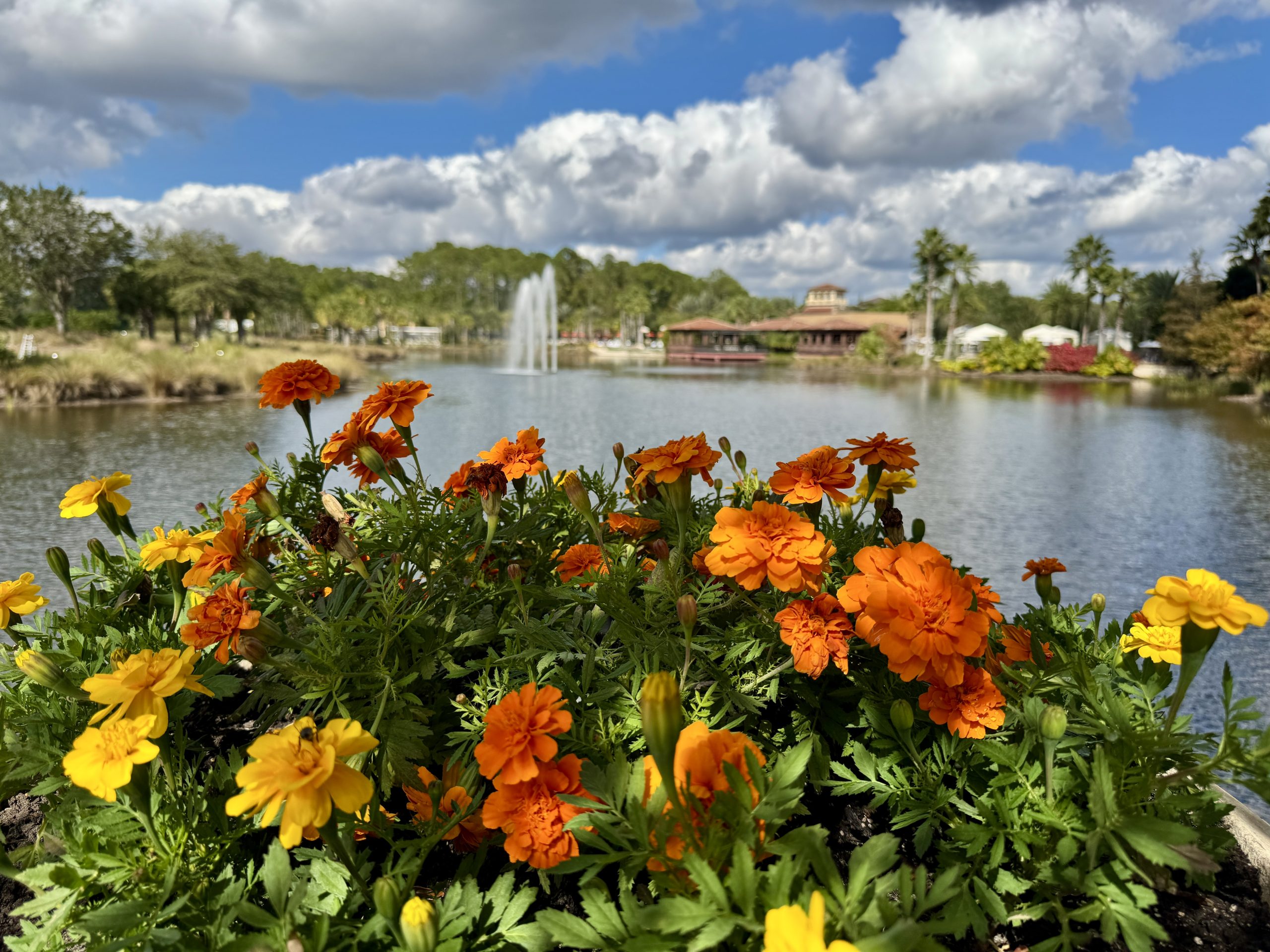
Sun-filled destinations are topping U.S. travel searches this winter. I loved my stay at the Four Seasons Orlando where I had breakfast with Goofy, an amazing massage, a day on the Lazy River AND went scuba diving at EPCOT!
Americans Are Already Looking Ahead to Sunshine
That may help explain what Booking.com is seeing this January. New search data from the platform shows a notable increase in interest in sunny destinations, suggesting travelers are actively seeking light — both literal and emotional — during the darkest weeks of winter.
Searches from U.S. travelers are up year-over-year for warm-weather favorites, including Florida, California, Arizona, and Hawaii, as well as Caribbean destinations such as the Dominican Republic, Jamaica, Puerto Rico, and Mexico. Rather than impulsive bookings, the trend points to something more deliberate: planning as a form of self-care.
Experiences Over Checklists
What’s also changing is how people want to travel. It’s no longer just about escaping to somewhere warm — it’s about what happens once you get there. Travelers are increasingly prioritizing experiences that offer meaning and immersion: local tours, food experiences, cultural activities, nature outings, and art that connects them more deeply to a place.
This shift reflects what neuroscience suggests: deeper engagement and novelty amplify travel’s cognitive benefits. Booking.com’s activities and attractions tools tap into this mindset, helping travelers uncover experiences that go beyond the hotel pool and make the planning process part of the joy.
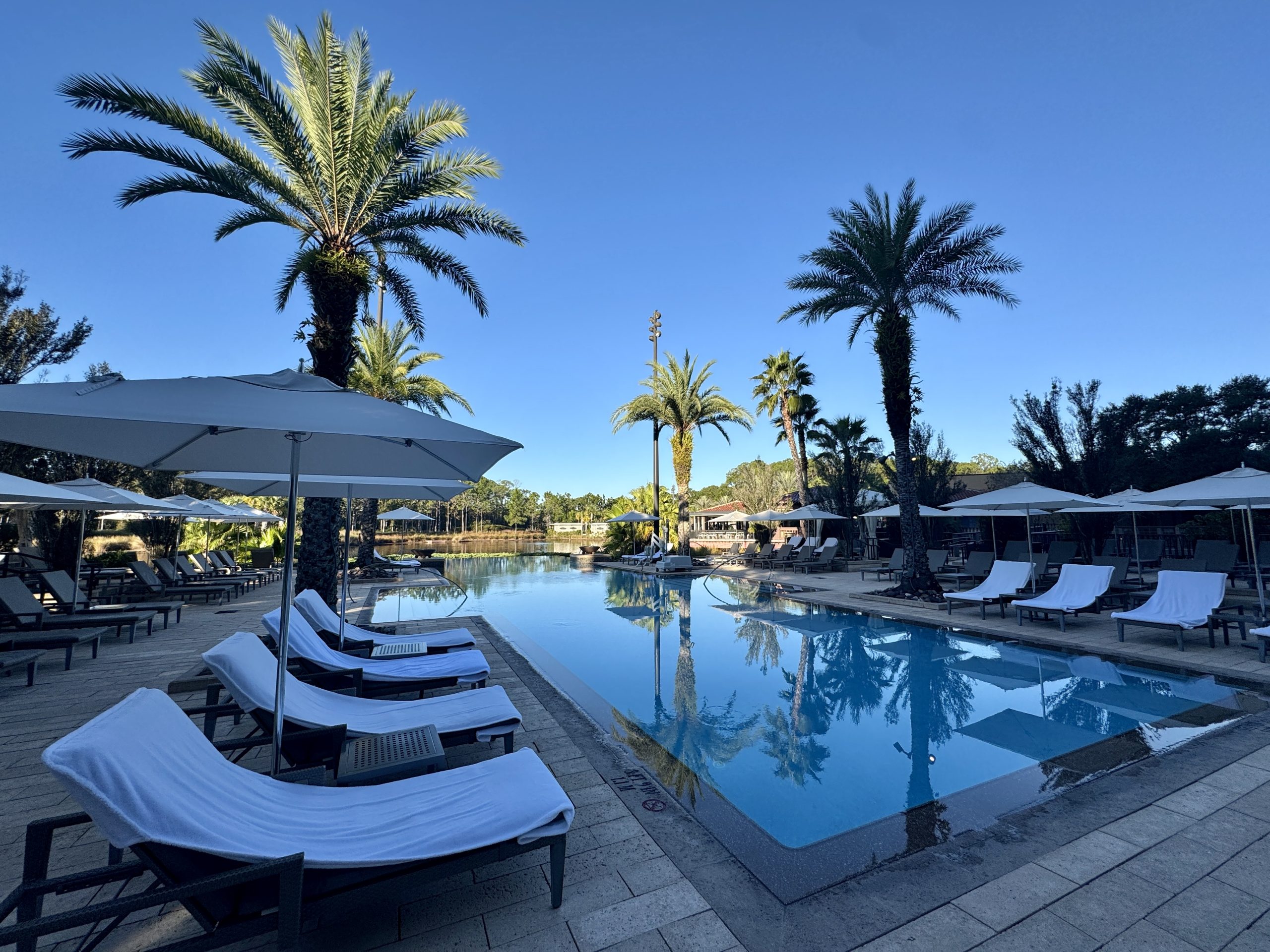
Travel experiences stimulate creativity, adaptability, and anticipation. This is where I did my morning lap swim in Florida at the adults only Oasis pool at Four Seasons Resort Orlando at Walt Disney World® Resort
January Planning, Made Easier
Of course, January also comes with financial reality. After holiday spending, many travelers are looking for trips that feel achievable rather than extravagant — shorter getaways, domestic travel, flexible cancellation policies, and simpler planning.
This is where ease matters. Booking.com’s Connected Trip approach — bundling flights, stays, car rentals, and activities into one seamless plan — reduces the mental load of organizing travel. Fewer tabs, fewer decisions, and more clarity can make committing to a future trip feel manageable, even during a low-energy season.
Giving Your Future Self Something to Look Forward To
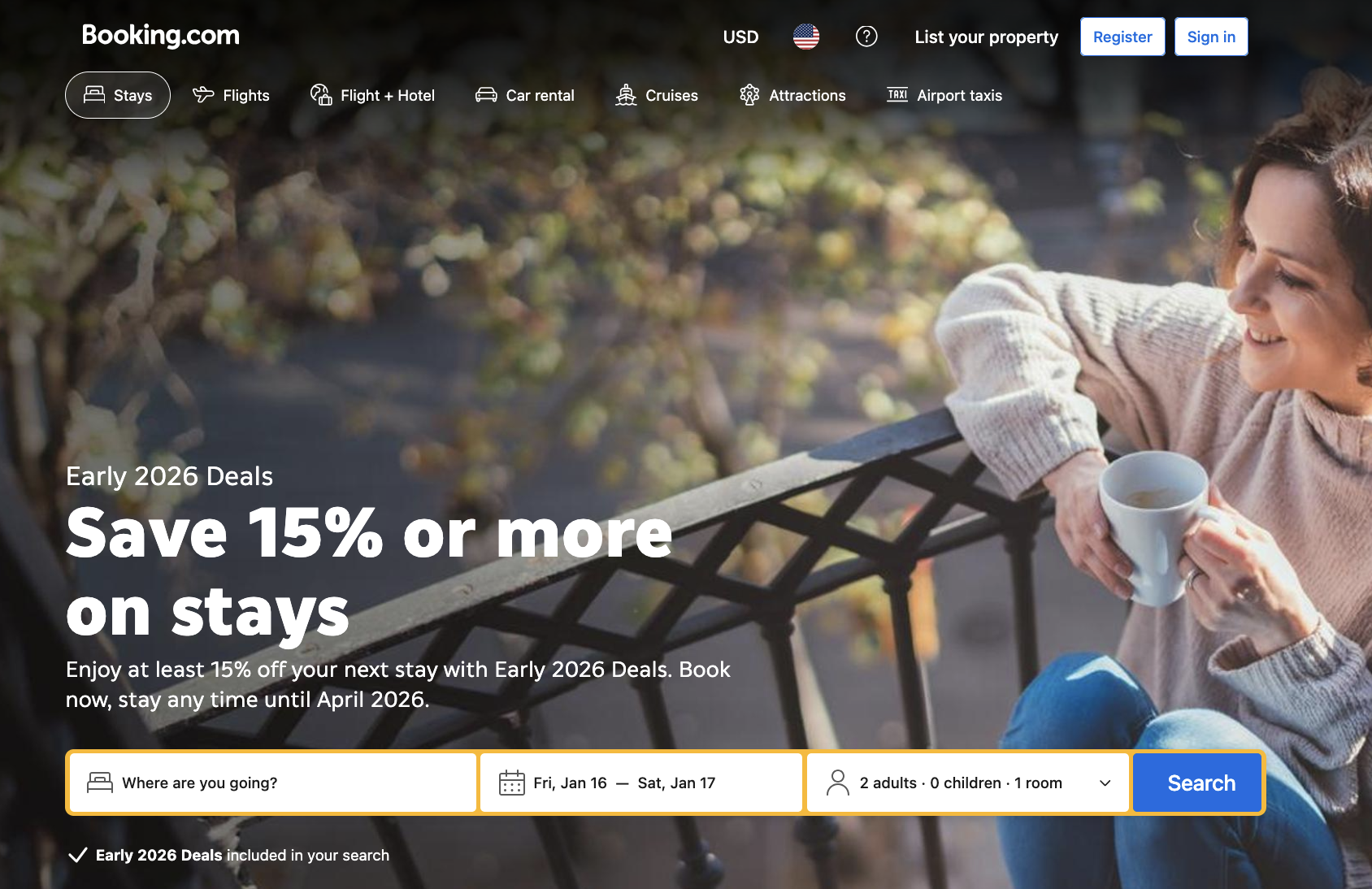
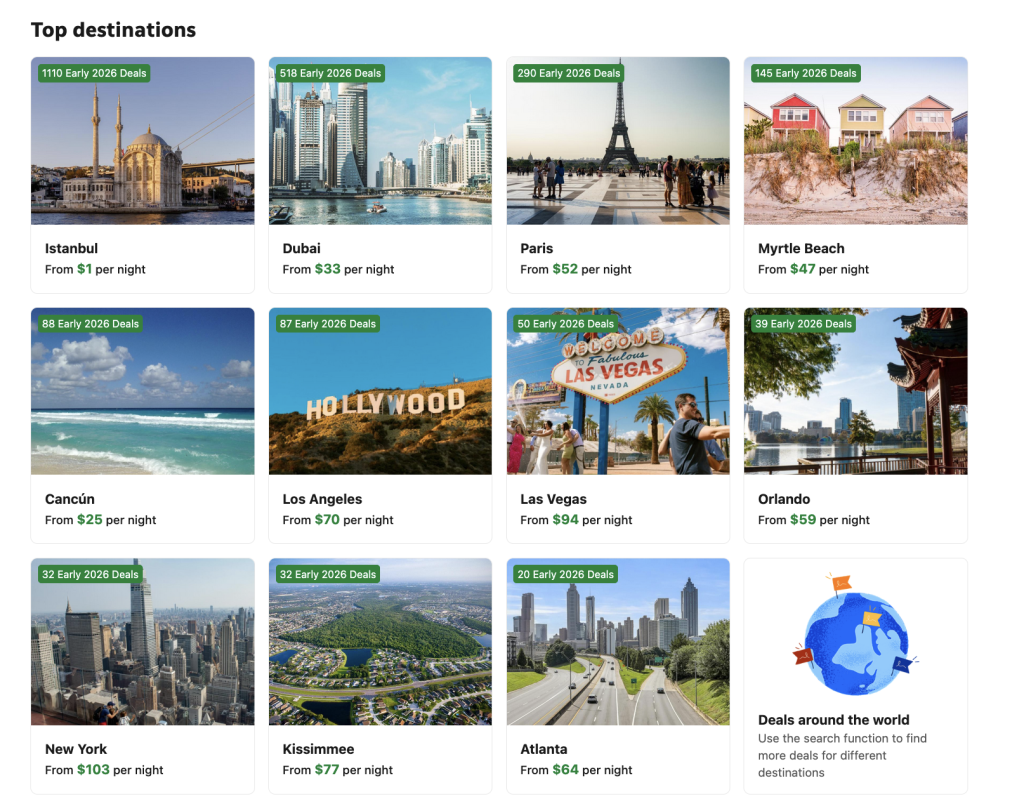
For travelers ready to turn winter daydreams into concrete plans, Booking.com’s Early 2026 Deals offer a low-pressure way to do just that. The deals provide at least 15% off select stays for travel between January 1 and April 1, 2026, in destinations ranging from Paris and Istanbul to Cancún. No promo codes are required — just sign in and book, with many offers marked by a “Getaway Deal” tag.
Booking that far ahead isn’t about urgency. It’s about optimism. Locking in a future experience gives travelers something tangible to anticipate — a psychological counterweight to winter’s sameness and a reminder that brighter days are already on the calendar.
The Takeaway
“Blue Monday” may not be real in a scientific sense, but the desire to feel better in winter absolutely is. And increasingly, travelers are finding that relief not only in the journey itself, but in the act of planning — imagining new places, discovering meaningful experiences, and giving their brains something exciting to work toward.
In a season defined by cold and routine, looking ahead may be the warmest self-care strategy of all.